

Coaches, Volunteers, Parents, and Spectators
Codes & Standards
Organizational Standards
LakeShore Legends is a development-driven basketball organization built on elite training standards and long-term athletic growth. Everything we do is guided by a training-first mindset that prioritizes skill development, basketball IQ, accountability, and purposeful competition.
Participation in LakeShore Legends requires alignment with these standards from athletes, coaches, volunteers, parents, and spectators alike.
All members of the LakeShore Legends community are expected to:
-
Support a training-first development model that emphasizes preparation, repetition, and learning over short-term results
-
Uphold the values of accountability, effort, grit, determination, consistency, and discipline
-
Show respect toward coaches, officials, opponents, teammates, and the game of basketball
-
Represent LakeShore Legends with professionalism, integrity, and sportsmanship at all times
-
Understand that athlete development is a long-term process, not a weekend outcome
LakeShore Legends reserves the right to address behavior that does not align with these standards in order to protect the culture, mission, and integrity of the program.
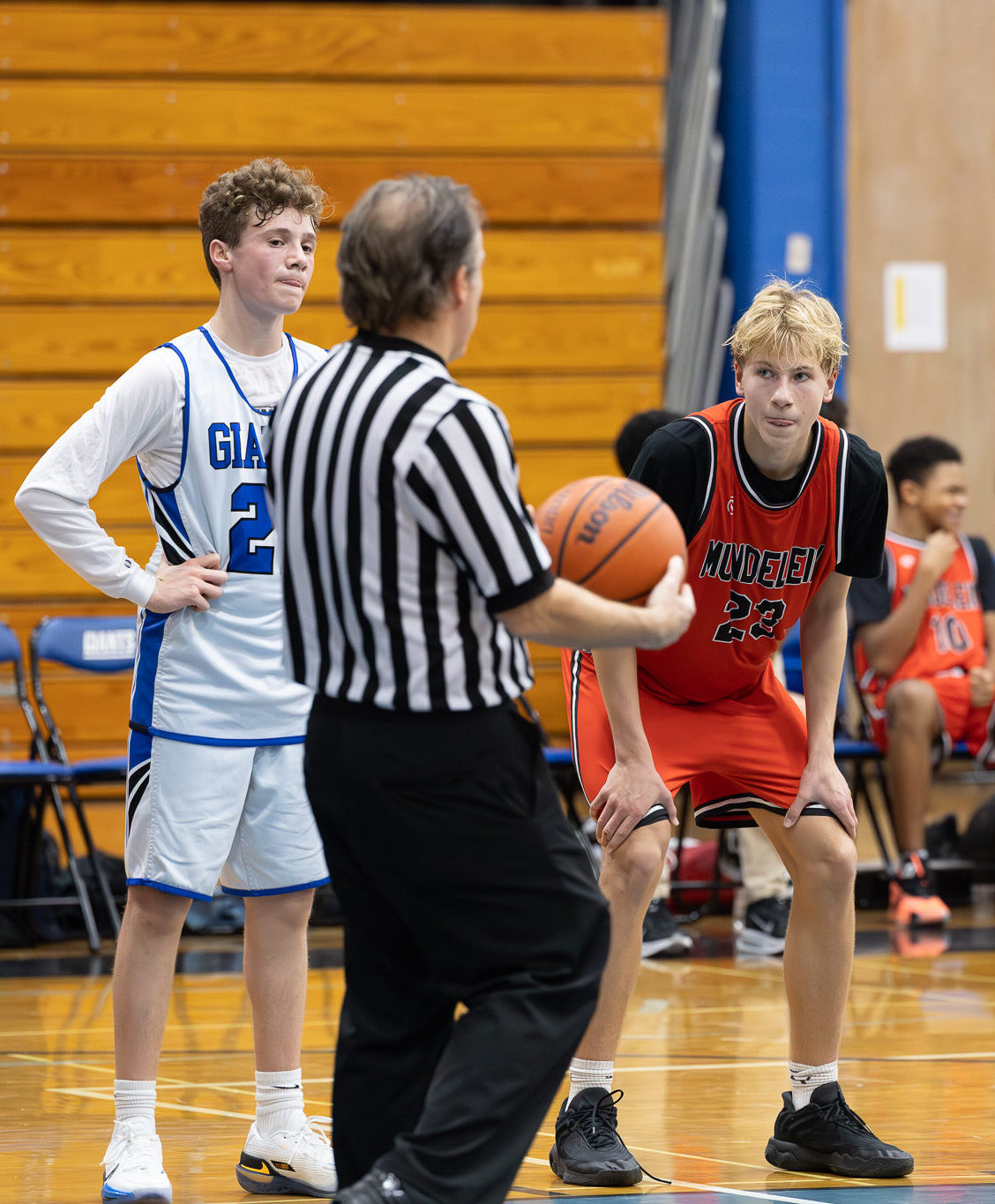
Participation in LakeShore Legends signifies a commitment to the process, the standards, and the culture that make long-term athlete development possible.
Leading by Example
Coaches & Volunteers
Coaches and volunteers are leaders within the LakeShore Legends organization and are held to the highest standards of professionalism, preparation, and conduct.
Coaches & Volunteers Will:
-
Lead with a training-first mindset, ensuring practices are structured, intentional, and development-focused
-
Teach the game with clarity, purpose, and consistency, emphasizing skill development and basketball IQ
-
Hold athletes accountable while fostering confidence, resilience, and growth through adversity
-
Model composure, respect, and professionalism in all training and competitive environments
-
Maintain open, respectful communication with athletes and families regarding development, expectations, and standards
-
Prioritize athlete safety, well-being, and long-term development over wins, exposure, or playing-time disputes
Coaches & Volunteers Will Not:
-
Coach or communicate emotionally, disrespectfully, or in a manner inconsistent with program values
-
Prioritize personal agendas, exposure chasing, or short-term success over athlete development
-
Engage in negative behavior toward officials, opponents, athletes, or families
-
Undermine the program philosophy or contradict organizational standards
Guidelines for Parents and Spectators
Parents & Spectators
LakeShore Legends views parents and families as partners in the long-term development process. Support, trust, and alignment are essential to athlete growth.
Parents & Spectators Are Expected To:
-
Support the training-first philosophy and understand that development may not always align with immediate results
-
Encourage athletes to embrace demanding practices, accountability, and growth through adversity
-
Allow coaches to coach and athletes to learn without interference during practices or games
-
Show respect toward coaches, officials, opponents, athletes, and fellow spectators
-
Communicate concerns respectfully and at appropriate times, following program communication guidelines
Parents & Spectators Will Not:
-
Coach from the sidelines or attempt to influence strategy, playing time, or athlete roles during games
-
Engage in negative, disruptive, or confrontational behavior toward officials, coaches, players, or opposing teams
-
Create pressure around wins, exposure, or outcomes that contradict the program’s developmental mission
-
Undermine athlete confidence through criticism, comparison, or unrealistic expectations
If a parent or guardian has a concern involving a member of the coaching staff immediately following a game, a 12–24 hour waiting period is required before any communication occurs. This policy exists to promote thoughtful, constructive dialogue and prevent emotionally driven interactions.